Take Control of Diabetes Naturally
A structured, evidence-informed approach to improving blood sugar, reducing insulin resistance, and working towards remission through real food and sustainable lifestyle changes. Led by someone who has done it himself. Duration: Ongoing Session Type: 1:1 Personal Format: Online · Lahore
Type 2 diabetes is not simply a sugar problem. It is usually a sign that the body is struggling with insulin resistance and metabolic overload. This programme helps you understand what is driving high blood sugar, and how to improve it through practical, sustainable changes. Clear steps. Real food. No extremes.
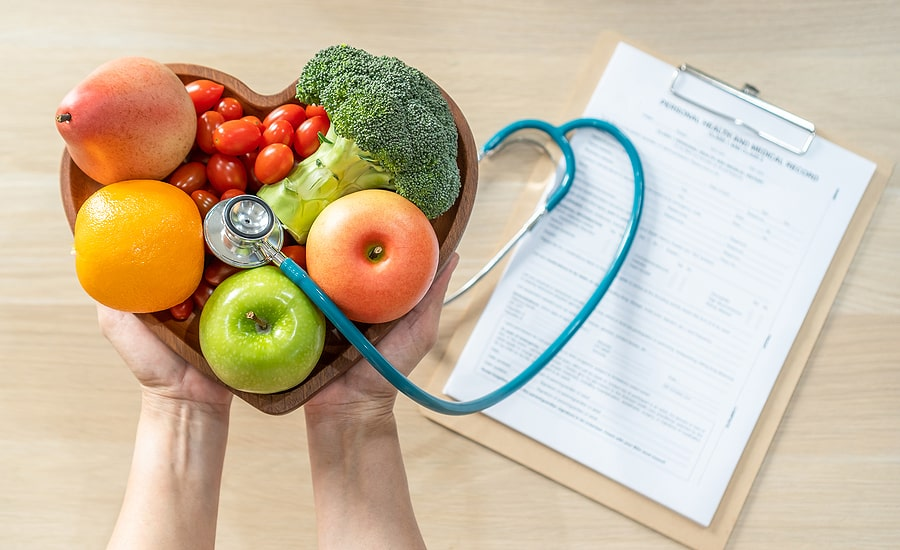
Zaheer Abbas guiding a client through a practical plan for blood sugar control and metabolic health.
Diabetes Is Not Just About Sugar
Many people with Type 2 diabetes are told to avoid sweets, eat “healthy carbs”, take medication, and try to lose weight. But for many, this advice only goes so far. Blood sugar remains unstable, energy stays low, weight continues to rise, and medication often increases over time.
That is because Type 2 diabetes is not simply about sugar. It is a metabolic condition closely linked to insulin resistance.
When insulin levels stay high for years, the body gradually becomes less responsive to it. Glucose is no longer managed efficiently, blood sugar begins to rise, and the whole system comes under strain. Understanding this changes everything. It shifts the focus from surface-level symptom management to the deeper question: why is the body struggling in the first place?
Why Many People Stay Stuck
Many adults feel they are trying hard and still not seeing results. They may have reduced sugar, switched to brown bread, started walking more, and followed conventional advice as best they can. Yet their HbA1c keeps climbing, their belly fat does not shift, and they still feel tired after meals.
This is often deeply frustrating. It can also feel personal. But in most cases, it is not a lack of discipline. It is a biological problem that has not been properly explained.
If insulin resistance is not addressed directly, blood sugar control becomes an uphill battle. Managing the numbers without improving the metabolic environment can leave people stuck in the same cycle for years.
What Diabetes Remission Really Means
Remission does not mean diabetes was never there, and it does not mean the body can go back to old habits without consequences. What it does mean is that blood sugar levels return to a non-diabetic range and remain there without the same level of medical intervention as before, always under proper medical supervision.
For some people, HbA1c improves significantly. For some, medication may be reduced by their doctor. For many, daily life becomes more stable: less fatigue, fewer cravings, better readings, and a stronger sense of control.
The important point is this: remission is not magic, and it is not a quick fix. It is the result of changing the environment the body is responding to.
A Practical, Natural Approach
The Eat Well Get Well approach is built around simple, sustainable principles. The goal is to reduce metabolic pressure so the body can begin to respond differently.
That usually starts by lowering the glucose load from sugars and refined carbohydrates. Meals are then rebuilt around real foods: adequate protein, natural fats, and low-carbohydrate vegetables. The aim is not to create fear around food, nor to force someone into an extreme way of eating. It is to help the body regain stability.
Zaheer Abbas teaches this approach in a way that is practical and culturally aware. For Pakistani adults, especially those over 50, advice must be realistic. It must work in family life, social life, and everyday eating patterns. That is why this programme focuses on understanding, not rigid rules.
Beyond Food: The Bigger Metabolic Picture
Food matters, but it is not the whole picture. Blood sugar is also affected by sleep, stress, movement, and routine. Poor sleep can worsen insulin resistance. Chronic stress can increase glucose dysregulation. A sedentary lifestyle can reduce metabolic flexibility.
This programme looks at the whole picture. Not to overwhelm you, but to help identify where the real pressure points may be.
Often, people do not need a complete overhaul. They need the right changes in the right order.
Who This Programme Is For
This programme is suitable for adults who have been diagnosed with Type 2 diabetes, have rising HbA1c, or have been told their blood sugar is borderline or getting worse. It is especially helpful for people who want a more natural, structured path and who are open to understanding their body rather than simply following generic advice.
It may also suit those who feel tired after eating, struggle with abdominal weight gain, or suspect their metabolism is not functioning well even if they have not yet been given a clear explanation.
Important Medical Note
This programme does not replace your doctor, GP, or medical care. It is designed to work alongside proper medical supervision.
Eat Well Get Well does not diagnose disease or promise outcomes. Any change to medication must only be made with the guidance of your healthcare provider.
A Different Way Forward
Zaheer Abbas reversed his own Type 2 diabetes after realising that the issue was not lack of effort. The issue was understanding. Once he focused on insulin resistance, real food, and sustainable change, his blood sugar stabilised and his health improved. He later trained as a certified nutrition therapist to help others do the same.
This programme is built on that same principle: your body is not working against you. It is responding to the conditions it has been given. Change those conditions, and the response can change too.
I do not believe people fail because they are weak. Most fail because nobody explained what insulin resistance was, or how to work with the body instead of against it.
How It Works
Begin with a focused conversation about your blood sugar, symptoms, eating habits, and current challenges.
Identify what may be driving insulin resistance and where your current approach may be falling short.
Receive practical guidance on food, routine, and lifestyle changes tailored to your situation.
Apply changes gradually in a way that is realistic, sustainable, and suited to everyday life.
If you continue with support, the plan can be adjusted as your body responds and your needs change.
What Changes First
At the beginning, most people are focused only on blood sugar numbers. They may feel frustrated, tired, and unsure why their efforts are not working.
Often, they have been given fragmented advice: eat less, move more, avoid sugar, take medication. But they still do not understand what is happening inside the body.
Once insulin resistance is explained clearly, the picture changes. Blood sugar becomes easier to understand, food choices become more logical, and the next step feels less overwhelming.
That shift in understanding is often where real progress begins.
Frequently Asked Questions
Many people can improve blood sugar control significantly through nutrition and lifestyle change. Some may even reach remission. However, results vary, and any changes to medication must always be made with medical supervision.
No. Remission means blood sugar returns to a non-diabetic range and stays there for a meaningful period. It does not mean the body can return to old habits without consequences.
No. Eat Well Get Well does not promote extremes. The approach focuses on reducing excess carbohydrates, eating real food, and making practical changes that can be sustained.
You can still benefit from this programme. It is designed to work alongside your medical care, not replace it. Any medication changes must be managed by your doctor.
Yes. This programme is especially relevant for adults over 50 who want a calmer, clearer, more practical approach to blood sugar and metabolic health.
That depends on your starting point, consistency, and overall health. Some people notice better energy and steadier readings fairly early, while deeper improvements usually take time.
Start With Understanding
Book a free consultation to understand your blood sugar patterns, insulin resistance, and the most practical next steps for your health.
Book Free ConsultationFree · 30 minutes · No obligation · London